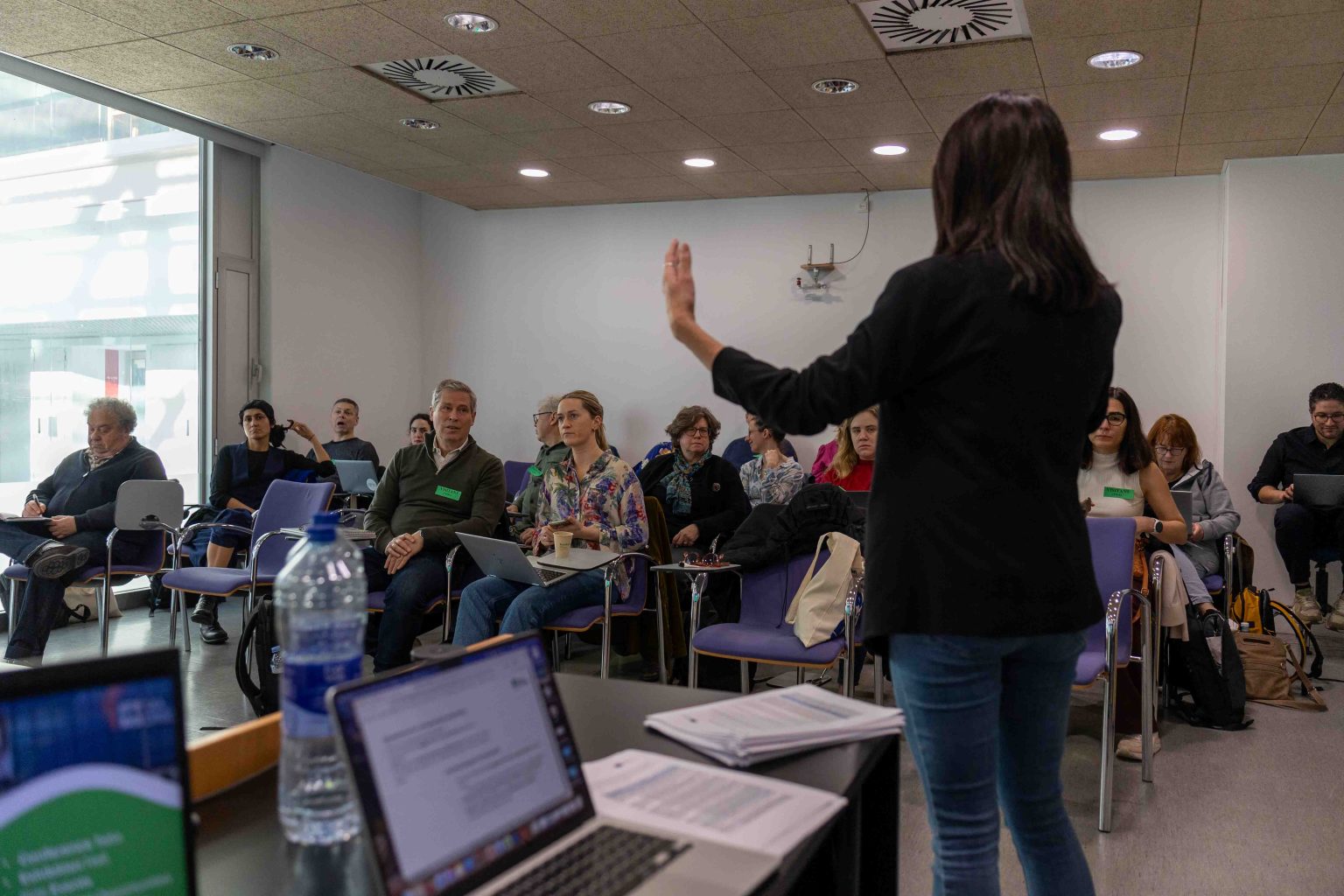
During our recent NiD4Ocean team meeting in Barcelona, we took a deep dive into an important question: How do changes over time shape the social and ecological impacts of Offshore Wind Farms (OWFs) and Nature‑Inclusive Design (NiD)?
The WP2 Task 3 team shared their ongoing work on system exploration, showing how short-, mid-, and long‑term processes can influence both nature and society in ways that traditional, static assessments often miss. They highlighted how non‑linear relationships—for example, shifts in fish populations or community attitudes, can change the overall direction of impacts.
A key part of our discussion focused on societal impacts. We explored how OWF development may lead to additional human pressures on coastal ecosystems. One example is the potential displacement of small and medium-scale fisheries to nearby areas, which could increase pressure on local marine environments. We also looked at how OWFs may influence perceptions of social justice, shaping how communities view benefits, risks, and fairness. These perceptions matter: they can drive different narratives and influence the future of OWF policies and the level of social acceptance.
We also examined feedback loops—situations where one change triggers another. For instance, shifts in fish distribution can affect fishing livelihoods, which may then influence how local authorities respond. These interactions are complex and sometimes create unexpected outcomes. Understanding them requires looking at systems through a time‑sensitive lens, rather than a single point in time.
To explore these dynamics together, the team used the Quick System Exploration Method (QSEM).
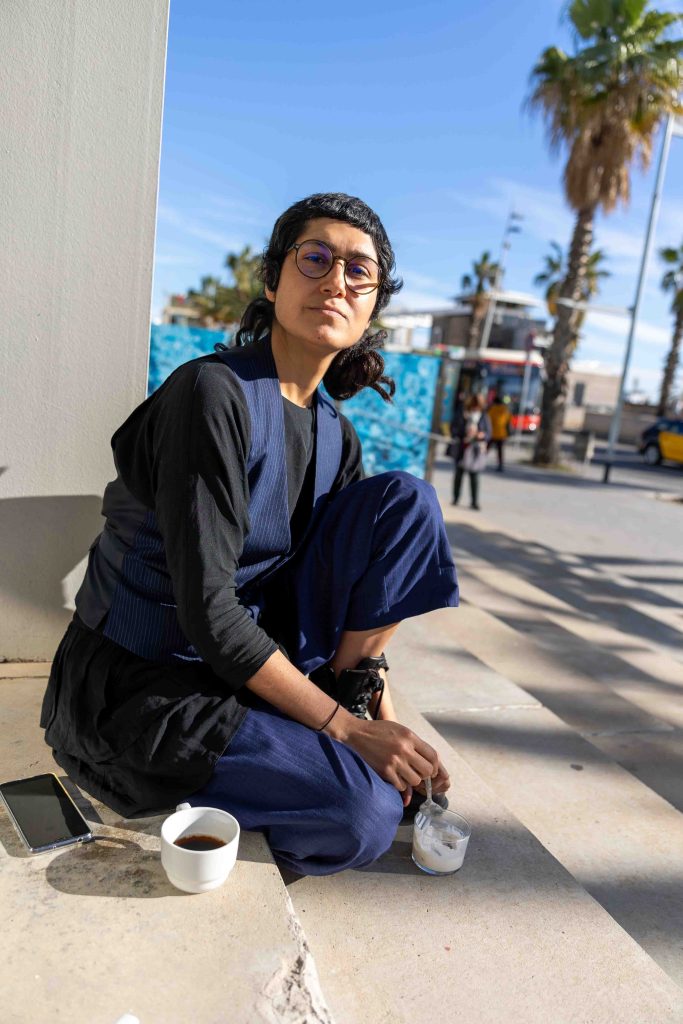
Project partner Mahla Rashidian, Research Scientist from NIVA, presented the ongoing work WP2 Task 3